


The Role of Pets in Cozy Mysteries. This month, we’re welcoming fellow sleuth and pet lover Author Stacy Wilder! We’ve interviewed Stacy Wilder in the past and made some of her mouth-watering recipes, too. So, we knew when we picked a month featuring cozy mysteries with pets, we needed Stacy and her dog, Eve, to be featured.

*Affiliate links are used in this article. The Mystery Review Crew is an Amazon Affiliate and, as such, earns from qualifying purchases. See our privacy policy and disclosures for more information.
The Role of Pets in Cozy Mysteries: More Than Just Cute Companions
Open any cozy mystery, and you’ll likely be greeted by a sleuth in a charming setting, perhaps with a pet nestled somewhere in the story. Whether it’s a truth-sniffing Labrador, like Duke in the Liz Adams Mystery Series, or a clue-sniffing cat like in the Secret Library Cozy Mystery Series by CeeCee James, or even chickens on the case in the Aloha Chicken Mysteries by Josi Avari. Pets in cozies are never decoration . . . they’re central to solving the crime.
At their core, cozy mysteries offer comfort. Despite the presence of a murder or crime, the stories are wrapped in warm settings, personal connections, and familiar routines. Pets fit into this type of story perfectly . . . or should I say purrfectly? They’re relatable, endearing, and loved—who doesn’t enjoy a loyal dog or a crafty cat? Pets bring out vulnerability and humor in characters. They create opportunities for dialogue and movement. Who doesn’t love those moments in Scooby Doo, where Scooby sniffs out a pizza?
When I started Charleston Conundrum, the first book in the series, I submitted 5,000 words to the League of Romance Writers’ Emily Contest. The competition offered feedback, and I was anxious to receive it. I quickly learned that if you have a pet in the story, they need a job. They can’t just sit on the cover and look pretty. My protagonist’s Labrador, Duke, couldn’t just be cute—he needed purpose.
So, what could Duke’s job be? I turned to two sources for inspiration: 1) the documentary Superpower Dogs and 2) our own Labrador, Eve. Superpower Dogs showcases real-life canines who are trained in search and rescue, avalanche recovery, and disaster response. Our dog, Eve’s, superpower is communication. She points her nose when she wants something. She howls her version of ‘I love you’ for her breakfast, and she even says ‘Mom.’
What superpower could Duke have? Eureka! Duke’s job would be yipping when people are lying, whining when something was up, and adding moments of humor to the story.
Science supports the idea that dogs (and other animals) can sense human emotions. Dogs, in particular, can pick up on someone’s emotional state—even detecting sadness, anxiety, illness, or, for that matter, lying!
Elephants are also known for their ability to detect emotions. The Baby Ganesh Agency Series by Vaseem Khan, set in Mumbai, India, includes Inspector Ashwin Chopra with his sidekick, a baby elephant named Ganesha. I highly recommend The Elephant Whisperer by Lawrence Anthony, a memoir of Anthony’s experiences with elephants on an African Game Reserve. The novel depicts the high emotional intelligence of these creatures.
Murder is, after all, serious business. Even in the light-hearted world of cozy mysteries, the emotional stakes can be high. Pets provide a counterbalance to these grave moments . . . think of a dog curling up at the protagonist’s feet after a tense interview or a cat batting around a clue that seemed too obscure to matter. These scenes create emotional pauses and offer further insights into the sleuth’s character.
Pets are sometimes the most observant characters in a cozy mystery and in real life. While they rarely talk, their actions often reveal volumes. A barking dog at an unexpected time, a cat lingering near a suspicious tool shed, or even a parrot repeating a phrase overheard at the scene of the crime—these plot points can become crucial turning points in the narrative. There are actually a few series where the pet does speak—for instance, The Dog Club Mystery Series by VM Burns or The Haunted Bookshop Mysteries by Cleo Coyle (writing as Alice Kimberly).
Cozy mysteries often take place in small towns or close-knit communities. Pets help build and reinforce these settings. Dog walks become opportunities for gossip and overheard conversations. Trips to the vet or groomer introduce new characters and suspects. A runaway pet might lead the sleuth into an unfamiliar part of town—or a stranger’s backyard, where something suspicious unfolds.
A pet can also help show—not tell. For example, in Cayman Conundrum, Duke’s friend, Snooper, a cocker spaniel mix, playfully uncovers a secret compartment with vital clues to the mystery. In Fiona Grace’s Cats and Dogs Series, a clever pet fox named Nick helps discover critical information.
Animals create instant connections between characters. The bond between humans and pets is biological, chemical, and deeply rooted in our evolutionary history. There’s a reason we call them our “fur babies.” Science shows that the love we feel for our pets isn’t just in our heads—it’s in our hormones, brains, hearts, and souls.
A grumpy neighbor might be standoffish until the sleuth’s cat decides to nap on his porch. A dog-loving suspect might open up simply because the protagonist shows up with a treat in her pocket. These interactions help to develop relationships and often lead to revelations that serve the mystery.
Readers crave books that make them feel good. There’s a reason why romance books are the top-grossing genre. Those happy stories spark a release of the hormone oxytocin, also known as the “love hormone.” Pets trigger that as well. Think of a moment when you gazed into your fur baby’s eyes or stroked your dog’s or cat’s back after a particularly stressful day.
Yes, pets in cozy mysteries are adorable, entertaining, and often hilarious. But they’re also smart narrative tools. They deepen our understanding of characters, help drive the plot forward, and offer emotional balance in the face of crime. They’re bridges to the community, guides to the truth, and sometimes, the unexpected heroes of the story.
So, the next time you pick up a cozy mystery and meet a four-legged (or feathered) sidekick, take a closer look. That “cute companion” might just be the most insightful character in the book—and the key to cracking the case.
About Stacy Wilder
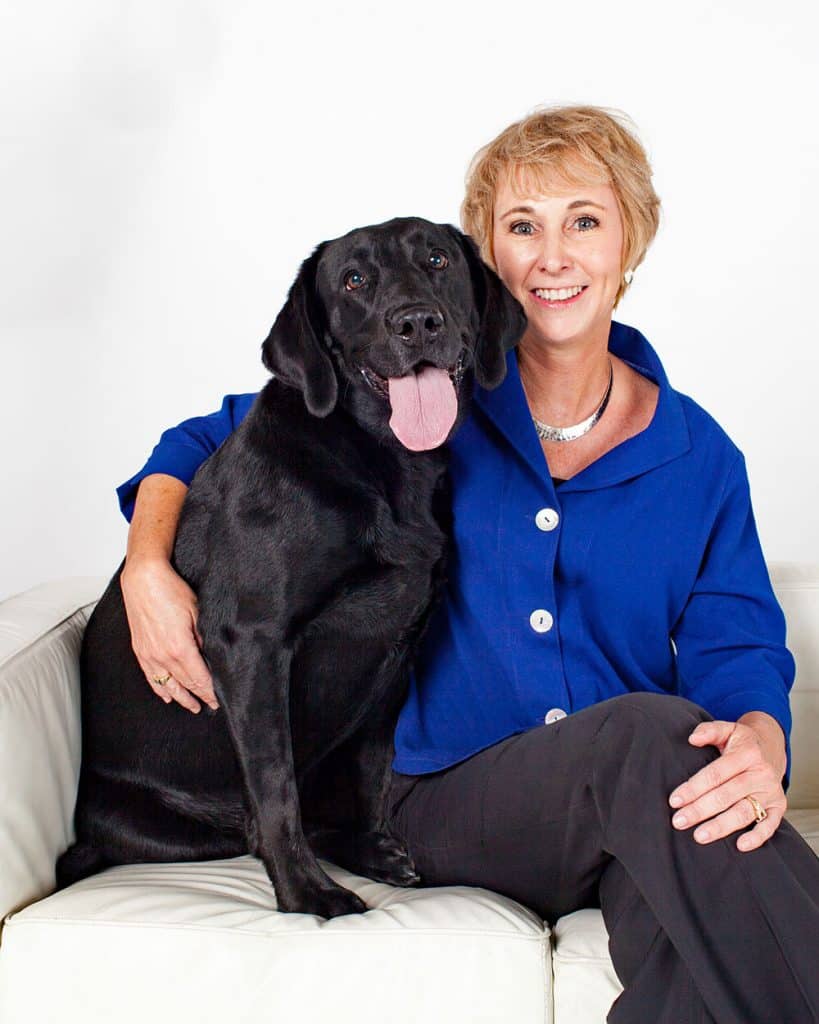
Stacy Wilder has traveled to six out of seven continents, but her favorite place in the world is Charleston, South Carolina. Books have shaped her life and her travels. Her love of mysteries began with Nancy Drew.
Stacy’s debut novel, Charleston Conundrum, is the first in the Liz Adams mystery series. Liz’s sidekick, a Labrador retriever named Duke, is able to detect when people are lying, which comes in handy when Liz is solving a case. The Charleston Conundrum cover and manuscript placed first in their respective categories in a national When Words Count Pitch Week competition.
In addition to mysteries, Stacy writes children’s stories, short stories, and poetry. She lives in Houston, Texas, with her husband and a totally spoiled Labrador retriever, Eve.
Connect with Stacy: https://www.storystacy.com/




Thanks for a wonderful article on the role of pets in cozy mysteries. You included several authors who are new to me, and I can’t wait to read their books. If you check out my Josie Posey Mystery Series, written under the pen name Anna St. John, you will meet Moe—a sweet, fluffy Old English Sheepdog inspired by my dog, Oliver. Book four of the series adds a cat to the family: Johnny Depp.
I would love to include your article as a guest blog on my website. Please let me know if that’s okay. I am happy to attribute it as having first appeared on the Mystery Review Crew blog.
Thanks,
Susan Armstrong, writing as Anna St. John
Hello Susan!
OOoo we will go check that series out. I love big fluffy dogs 🙂
For SEO purposes it’s better not to repost the same information. If you email me at [email protected] I have a suggestion that might work better though.
Sincerely,
Kimberly
This is so true! Dogs have amazing senses that humans don’t– 40 to 60 times more scent receptors, for one thing. And they’re very empathetic, knowing who to comfort and who to suspect. Rochester in my golden retriever mysteries is based on my own goldens, who constantly surprise me with things I didn’t know they could do.